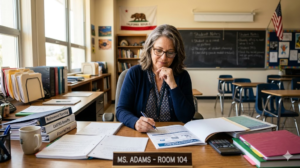
Teacher Retirement Planning in California: What Educators Need to Know Before Retiring
After years of educating students, preparing lesson plans, and making a difference in the classroom, retirement may finally be approaching. But transitioning from a regular teaching paycheck to retirement income brings important financial decisions.
For California educators, understanding your CalSTRS benefits is an essential part of the process. However, your pension may be only one piece of your overall retirement strategy.
Whether you are several years away from retirement or preparing to leave the classroom soon, having a clear financial plan can help you make informed decisions about your income, savings, taxes, and long-term financial goals.
Here are some important considerations for teachers planning for retirement in California.
1. Understand How Your CalSTRS Retirement Benefits Work
The California State Teachers’ Retirement System (CalSTRS) provides retirement benefits to eligible California public school educators. Its Defined Benefit Program provides a lifetime monthly retirement benefit calculated using a formula based on three important factors:
-
Service Credit: The years and partial years of eligible teaching service you have accumulated.
-
Age Factor: The percentage applied to your final compensation based on your age and applicable retirement formula.
-
Final Compensation: Your eligible compensation used in calculating your retirement benefit.
Your retirement benefit is generally calculated using:
Service Credit × Age Factor × Final Compensation = Monthly Retirement Benefit
Your membership structure also matters. CalSTRS generally has two benefit structures: 2% at 60 for members first hired before January 1, 2013, and 2% at 62 for members first hired on or after that date.
Understanding which formula applies to you can help you evaluate your retirement timeline and estimate your expected pension income.
You can review your benefits and retirement estimates directly through CalSTRS Retirement Benefits.
2. Decide When You Should Retire
One of the biggest decisions teachers face is determining the right time to retire.
Retiring earlier may give you more time to enjoy life outside the classroom, travel, or spend time with family. However, delaying retirement may increase your pension benefit depending on your age, service credit, and applicable benefit formula.
Before choosing a retirement date, consider:
-
Your current age and years of teaching service.
-
Your estimated CalSTRS monthly pension.
-
Your desired retirement lifestyle.
-
Your outstanding mortgage, loans, or other financial obligations.
-
Your health insurance and Medicare eligibility.
-
Your spouse’s or partner’s retirement timeline.
For example, a teacher who is eligible to retire may still benefit from comparing different retirement dates to understand how each option affects lifetime income.
The goal is not simply to retire as early as possible. It is to determine when your financial resources can support the lifestyle you want.
3. Look Beyond Your CalSTRS Pension
While CalSTRS can provide a valuable foundation for retirement, it is important to evaluate whether your pension alone will cover your expected expenses.
Many teachers also have additional retirement savings through:
-
403(b) retirement accounts.
-
457(b) deferred compensation plans.
-
Traditional and Roth IRAs.
-
Personal investment accounts.
-
Savings and other financial assets.
These accounts may provide additional flexibility when managing retirement withdrawals and unexpected expenses.
A coordinated retirement income strategy can help you determine how much income you may need, where it will come from, and how different accounts can work together throughout retirement.
4. Consider Social Security and Your Retirement Benefits
Social Security is another important consideration for educators, particularly those who have worked outside the California public school system.
Teachers may have questions about whether they qualify for Social Security benefits through previous employment, a spouse, or other eligible work history.
Federal law changed the treatment of certain public pension benefits through the Social Security Fairness Act, signed in January 2025, which repealed the Windfall Elimination Provision (WEP) and Government Pension Offset (GPO).
If you previously worked in a Social Security-covered position, or your spouse receives Social Security, it may be worth reviewing how these changes affect your retirement income.
Visit the Social Security Administration for information about your eligibility and estimated benefits.
5. Plan for Taxes Before You Retire
Your retirement income may come from several different sources, and each can have different tax implications.
For example:
-
Traditional 403(b) and 457(b) withdrawals are generally taxable as ordinary income.
-
Traditional IRA distributions are generally taxable.
-
Qualified Roth IRA distributions may be tax-free.
-
CalSTRS pension payments are generally subject to federal and applicable state income taxes.
The timing and amount of your withdrawals can influence your overall tax situation.
Some teachers may benefit from evaluating Roth conversions before retirement, while others may benefit from coordinating withdrawals across different retirement accounts.
Planning ahead can help you understand potential tax consequences and make more informed decisions about when and how to access your retirement savings.
6. Prepare for Healthcare Costs in Retirement
Healthcare is another major consideration when transitioning out of teaching.
Depending on your retirement date, age, and employment benefits, you may need to evaluate your available health insurance options before becoming eligible for Medicare.
Consider reviewing:
-
Retiree health insurance options through your school district.
-
Medicare eligibility and enrollment timelines.
-
Medicare Part A and Part B.
-
Medicare Advantage and Medicare Supplement options.
-
Prescription drug coverage.
-
Potential out-of-pocket healthcare expenses.
Healthcare costs can affect how much retirement income you need. Including these expenses in your financial plan can help reduce uncertainty as you transition into retirement.
7. Create a Retirement Income Strategy That Fits Your Goals
Retirement planning is not just about accumulating savings. It is also about understanding how to turn those resources into income that can support your lifestyle.
A comprehensive retirement income strategy should consider:
-
Your expected CalSTRS pension.
-
Additional retirement account balances.
-
Social Security benefits, if applicable.
-
Monthly living expenses.
-
Inflation and rising healthcare costs.
-
Investment risk and market fluctuations.
-
Tax-efficient withdrawal strategies.
Rather than treating each financial account separately, consider how your entire financial picture works together.
A well-coordinated plan can help you identify potential income gaps, evaluate different retirement scenarios, and make adjustments as your needs change.
8. Review Your Beneficiary and Estate Planning Documents
As retirement approaches, it is also a good time to review your beneficiary designations and estate planning documents.
Make sure the people you intend to receive your assets are properly reflected in your financial accounts and insurance policies.
Review items such as:
-
CalSTRS beneficiary and survivor benefit elections.
-
403(b), 457(b), and IRA beneficiaries.
-
Life insurance policies.
-
Trusts and wills.
-
Powers of attorney and healthcare directives.
These details are important because beneficiary designations may determine who receives certain retirement assets, regardless of what is stated in other estate planning documents.
Reviewing these documents periodically can help keep your financial arrangements aligned with your wishes.
When Should California Teachers Start Planning for Retirement?
Ideally, retirement planning should begin well before your expected retirement date. Starting early gives you more opportunities to evaluate your pension, build additional savings, and consider different retirement strategies.
However, even if retirement is only a few years away, there are still meaningful steps you can take.
|
Retirement Timeline |
Planning Priorities |
|---|---|
|
10+ years away |
Build savings, review CalSTRS benefits, and evaluate long-term goals. |
|
5–10 years away |
Estimate pension income, review investments, and evaluate retirement dates. |
|
1–5 years away |
Develop an income strategy, review healthcare, and assess taxes. |
|
Ready to retire |
Coordinate pension elections, account withdrawals, and beneficiary designations. |
The best approach depends on your individual circumstances, retirement goals, and financial resources.
Frequently Asked Questions About Teacher Retirement in California
1. How much retirement income will I receive from CalSTRS?
Your CalSTRS retirement benefit depends on your service credit, age factor, and final compensation. Your actual benefit will vary based on your membership structure and individual employment history. You can request a personalized estimate through CalSTRS.
2. At what age can California teachers retire?
Eligibility depends on your CalSTRS membership structure. Generally, members under the 2% at 60 formula may qualify at age 50 with 30 years of service credit or age 55 with five years. Members under the 2% at 62 formula generally qualify at age 55 with five years of service credit. Special circumstances may apply.
3. Can California teachers receive Social Security and CalSTRS?
Yes, eligible educators may receive both CalSTRS and Social Security benefits. The Social Security Fairness Act repealed WEP and GPO, effective for benefits payable after December 2023. Individual eligibility requirements still apply.
4. Is CalSTRS pension income taxable?
CalSTRS pension benefits are generally subject to federal income tax. California generally does not tax qualifying California public pension income at the state level. Individual tax circumstances may differ.
5. Do teachers need additional retirement savings beyond CalSTRS?
Additional savings are not required for everyone, but accounts such as 403(b), 457(b), and IRAs can provide additional flexibility and help supplement pension income. Whether you need additional savings depends on your retirement expenses, lifestyle, and financial goals.
6. When should teachers speak with a financial advisor?
It can be helpful to speak with a financial advisor several years before retirement, particularly when evaluating pension elections, retirement income, investments, taxes, and healthcare costs. Planning earlier gives you more time to evaluate your options.
Build a Retirement Plan That Supports Your Next Chapter
After dedicating your career to helping students build their futures, you deserve the opportunity to approach your own retirement with clarity and confidence.
At Peak Solutions Financial, we help individuals and families navigate important financial decisions through personalized retirement planning strategies. For California educators, that may include evaluating CalSTRS benefits, coordinating retirement income, reviewing investment accounts, and considering tax-efficient strategies.
Retirement should be about more than leaving the classroom. It should be about having a financial strategy that supports the life you want to enjoy next.
Frequently Asked Quesitons:
Is life insurance only necessary for people with children?
What is the difference between term and permanent life insurance?
How often should I review my life insurance policy?
Can life insurance be part of retirement planning?
Are life insurance benefits taxable?
Are life insurance benefits taxable?
Take the Next Step Toward Protecting Your Financial Future
The right financial strategy considers both the wealth you are building today and the people and priorities you want to protect tomorrow.
If you have questions about how life insurance fits into your overall financial picture, Peak Solutions Financial can help you evaluate your financial goals and explore planning considerations.
Start the conversation today and take a thoughtful step toward protecting your family’s financial future.